
What can you claim as a self-employed tradesperson?
The expenses HMRC accept for electricians, plumbers, builders and other trades, the ones they do not, and how to claim for your van.
Every receipt you lose is tax you pay unnecessarily. Here is what a self-employed tradesperson can normally claim, and where the limits are.
Your van
You have two ways to claim for a van, and you choose when you first use it in the business:
- Simplified mileage: 45p a mile for the first 10,000 business miles in the tax year and 25p a mile after that. This covers fuel, insurance, servicing and the cost of the van itself, so you cannot claim those separately.
- Actual costs: fuel, insurance, servicing, tyres, road tax, breakdown cover and finance interest, reduced by any private use, plus a capital allowance for buying the van. A van qualifies for the 100% annual investment allowance, so the full cost can be set against your profits in the year you buy it. That is a major difference from a car.
For most tradespeople doing real mileage in a van bought for the business, actual costs win, but we will run both.
Tools, equipment and workwear
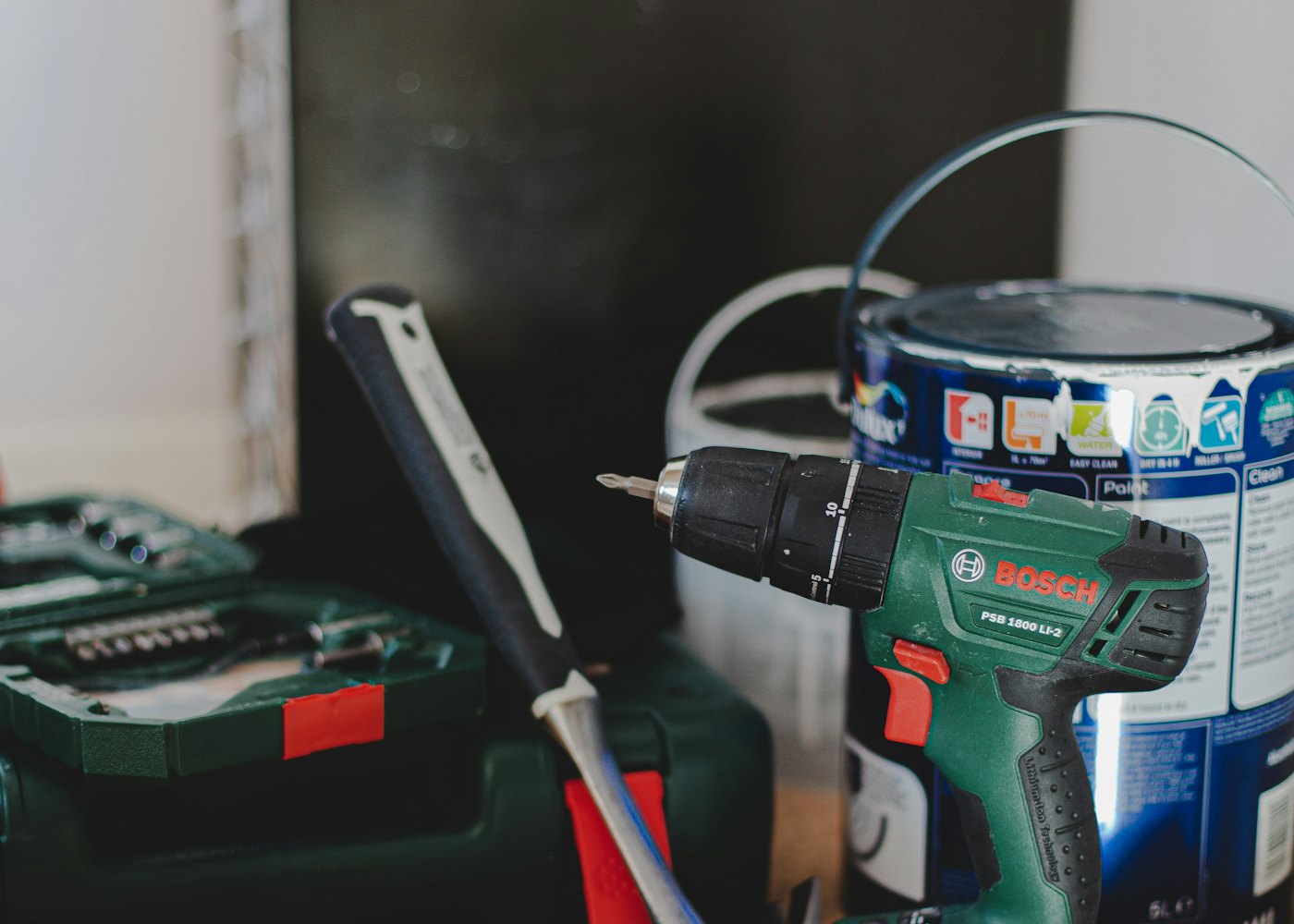
- Hand tools, power tools, ladders, test equipment and consumables.
- Larger equipment such as a cement mixer or scaffold tower, claimed through capital allowances.
- Protective clothing: boots, hi-vis, helmets, gloves and overalls.
- Workwear carrying your business name or logo. Ordinary clothing, even if you only ever wear it on site, is not allowed.
Running the business
- Public liability, tool and van insurance.
- Phone and internet, for the business proportion.
- Job management, quoting and bookkeeping software.
- Trade body registrations and certification renewals.
- Training that keeps your existing skills and certificates current. Training for a new trade is treated as capital and is not deductible.
- Advertising, website costs and vehicle signwriting.
- Bank charges and interest on business borrowing.
- Accountancy fees.
Working from home
If you do your quotes and invoicing at the kitchen table you can claim a flat rate for use of home: £10 a month for 25 to 50 hours, £18 for 51 to 100 hours and £26 for more than 100 hours. Alternatively you can claim a proportion of actual household costs, which is more work but sometimes worth it.
Travel and subsistence
Travel to a temporary site counts, and so do reasonable meals and accommodation when a job takes you away overnight. Lunch on a local job does not. Parking is allowed; parking fines and speeding tickets are not.
How to keep the evidence
HMRC can ask to see receipts for up to six years. The simplest system is to photograph every receipt on your phone into your bookkeeping app the moment you get it, and let the bank feed do the rest. That is exactly how we set our trade clients up, and it also keeps you compliant with Making Tax Digital.
Want us to look at your last return and tell you what was missed? Get in touch.
This article is a general guide based on the rules as we understand them at the date of publication. It is not advice for your specific circumstances. Please speak to us before acting on anything in it.
Keep reading

CIS explained: deductions, refunds and gross payment status
How the Construction Industry Scheme works for subcontractors and contractors, how to get deducted tax back, and when gross payment status is worth applying for.

Key tax dates for 2026/27
Every deadline that matters for sole traders, landlords, employers and limited companies in the 2026/27 tax year, in one place.

Switching accountants: what actually happens
Moving to a new accountant is simpler than most people expect. Here is the process step by step, and what you need to do.

Company cars and the tax puzzle
How benefit-in-kind tax on company cars works, why electric cars still come out ahead, and what changes for employers from 2027.

Making Tax Digital for Income Tax: what sole traders and landlords need to do
From April 2026 many self-employed people and landlords must keep digital records and report to HMRC quarterly. Here is who is affected and how to prepare.

Salary or dividends: paying yourself from your company in 2026/27
Dividend tax rates rose in April 2026. We look at how the usual small salary plus dividends approach is affected and what to check this year.
Thinking of switching accountant? It is easier than you think.
Tell us a little about your business and we will come back to you within one working day with how we can help and what it will cost. Or speak directly to Craig, our senior partner, on 07949 534119.